
Top 5 Roof Pointing Materials for Effective Repairs
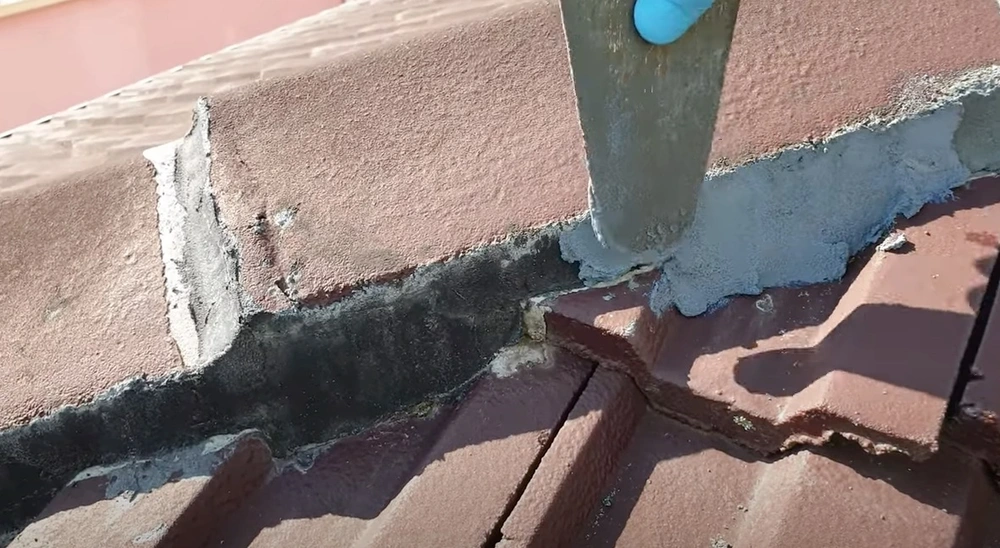
Roof pointing is a crucial aspect of maintaining your roof’s integrity and longevity. It involves sealing the gaps between roof tiles to prevent water infiltration and protect your home from the elements. Let’s explore the top 5 materials commonly used in roof pointing repairs, their benefits, and applications.
1. Flexible Pointing Compound
Flexible pointing compounds are modern alternatives to traditional cement mortar, designed to expand and contract with temperature changes.
Benefits:
- Excellent flexibility
- Weather-resistant
- Long-lasting
- Can withstand cyclonic winds
- Environmentally friendly
Application
Applied using a caulking gun or specialised pointing tools, flexible compounds adapt well to various roof shapes and sizes. They form a strong bond between tiles and ridge capping, with 20 to 30 times more adhesion than conventional cement mortar.

2. Cement Mortar
Cement mortar is a traditional material for roof pointing, consisting of a mixture of cement, sand, and water.
Benefits
- Cost-effective
- Readily available
- Provides good adhesion
Application
Typically applied using a pointing trowel, cement mortar fills the gaps between tiles and creates a water-resistant seal. However, it’s worth noting that while it’s a popular choice, it may not always be the best long-term solution due to potential cracking and degradation over time.
3. Acrylic-based Sealants
Acrylic-based sealants offer a balance between flexibility and durability, particularly useful for roofs in areas with significant temperature fluctuations.
Benefits
- UV-resistant
- Quick-drying
- Easy to apply
Application
These sealants can be applied with a caulking gun or brush, providing a waterproof barrier that adheres well to most roofing materials.
4. Silicone Sealants
Silicone sealants are known for their excellent water-repellent properties and durability in extreme weather conditions.
Benefits
- Highly water-resistant
- Temperature-resistant
- Long-lasting
Application
Applied using a caulking gun, silicone sealants are ideal for areas prone to heavy rainfall or extreme temperature changes.
5. Dry Ridge System
While not a pointing material per se, the dry ridge system is an innovative alternative to traditional wet pointing methods.
Benefits
- Easy to install in any weather condition
- Lightweight and weather-tight
- Requires minimal maintenance
- Can include passive ventilation
Application
This system uses mechanical fastenings to attach roof tiles and caps, followed by a weather-tight, water-resistant fleece covering the ridge. It’s becoming increasingly popular in Australia due to its durability and cost-effectiveness.
Choosing the Right Material
When selecting a roof pointing material, consider factors such as:
- Local climate conditions
- Roof type and material
- Budget constraints
- Desired longevity of repairs
- Building requirements (e.g., heritage properties)
It’s important to note the difference between roof bedding and pointing. Bedding is the foundational layer that secures roof tiles, while pointing is the visible layer applied over the bedding to enhance appearance and durability.
Signs that your roof may need repointing include loose or dislodged tiles, cracked or missing pointing, water leaks, and sagging or uneven roof surfaces.
For the best results, consult with a professional roofing contractor to determine the most suitable material and method for your specific roof pointing needs. Regular maintenance and timely repairs using appropriate materials can significantly extend the life of your roof and protect your home from water damage.
Don’t forget to check out our other blogs on
The Hidden Dangers of Neglected Roof Pointing: Early Warning Signs and Consequences

